The Link Between Poor Circulation and Diabetic Wounds
- posted: Jan. 30, 2026
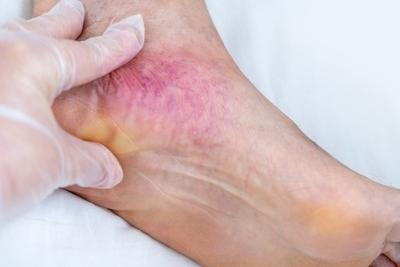
Poor circulation is a serious concern for individuals with diabetes, as it can increase the risk of wounds, infections, and complications in the feet and lower extremities. Dr. John J. Hickey DPM, PLLC in Levittown, NY, provides specialized care for patients with diabetes, focusing on preventing and managing foot wounds through early detection, education, and treatment. Understanding the connection between circulation and wound healing is essential for maintaining overall foot health.
How Poor Circulation Affects Healing
Diabetes can damage blood vessels over time, reducing blood flow to the extremities. Adequate circulation is critical for delivering oxygen, nutrients, and immune cells to tissues, which are necessary for proper healing. When blood flow is compromised, even minor injuries or blisters on the feet can progress into chronic wounds that are slow to heal. Reduced circulation also diminishes the body’s ability to fight infection, making diabetic wounds more prone to complications. This is why patients with diabetes must be vigilant in monitoring their feet for any signs of injury or changes in skin health.
Common Risk Factors
Several factors increase the likelihood of poor circulation and diabetic wounds. High blood sugar levels over time can damage nerves and blood vessels, a condition known as diabetic neuropathy. Neuropathy reduces sensation, meaning injuries may go unnoticed until they become severe. Other risk factors include smoking, high blood pressure, obesity, and a sedentary lifestyle, all of which can further impair circulation and contribute to delayed healing. Awareness of these factors allows patients and healthcare providers to implement preventive strategies and reduce the risk of serious complications.
Preventive Measures and Early Intervention
Proactive foot care is essential for patients with diabetes. Regular foot inspections, proper footwear, and daily hygiene help prevent injuries that could lead to wounds. Maintaining blood sugar control and following a healthy lifestyle can improve circulation and overall healing potential. At Dr. John J. Hickey DPM, PLLC, patients receive individualized guidance on monitoring their feet, recognizing early signs of wounds, and taking prompt action. Early intervention often prevents minor injuries from becoming severe infections or requiring surgical treatment.
Seeking Professional Care
Dr. John J. Hickey DPM, PLLC in Levittown, NY, encourages patients with diabetes to prioritize foot health and seek professional evaluation at the first sign of injury or circulation issues. Specialized care includes wound assessment, treatment planning, and education on preventive practices to reduce the risk of chronic wounds and complications. Individuals concerned about diabetic foot wounds or circulation problems should schedule an appointment with Dr. John J. Hickey DPM, PLLC at (516) 735-4545 to receive expert guidance and care tailored to their needs.
- posted: Jan. 30, 2026
Poor circulation is a serious concern for individuals with diabetes, as it can increase the risk of wounds, infections, and complications in the feet and lower extremities. Dr. John J. Hickey DPM, PLLC in Levittown, NY, provides specialized care for patients with diabetes, focusing on preventing and managing foot wounds through early detection, education, and treatment. Understanding the connection between circulation and wound healing is essential for maintaining overall foot health.
How Poor Circulation Affects Healing
Diabetes can damage blood vessels over time, reducing blood flow to the extremities. Adequate circulation is critical for delivering oxygen, nutrients, and immune cells to tissues, which are necessary for proper healing. When blood flow is compromised, even minor injuries or blisters on the feet can progress into chronic wounds that are slow to heal. Reduced circulation also diminishes the body’s ability to fight infection, making diabetic wounds more prone to complications. This is why patients with diabetes must be vigilant in monitoring their feet for any signs of injury or changes in skin health.
Common Risk Factors
Several factors increase the likelihood of poor circulation and diabetic wounds. High blood sugar levels over time can damage nerves and blood vessels, a condition known as diabetic neuropathy. Neuropathy reduces sensation, meaning injuries may go unnoticed until they become severe. Other risk factors include smoking, high blood pressure, obesity, and a sedentary lifestyle, all of which can further impair circulation and contribute to delayed healing. Awareness of these factors allows patients and healthcare providers to implement preventive strategies and reduce the risk of serious complications.
Preventive Measures and Early Intervention
Proactive foot care is essential for patients with diabetes. Regular foot inspections, proper footwear, and daily hygiene help prevent injuries that could lead to wounds. Maintaining blood sugar control and following a healthy lifestyle can improve circulation and overall healing potential. At Dr. John J. Hickey DPM, PLLC, patients receive individualized guidance on monitoring their feet, recognizing early signs of wounds, and taking prompt action. Early intervention often prevents minor injuries from becoming severe infections or requiring surgical treatment.
Seeking Professional Care
Dr. John J. Hickey DPM, PLLC in Levittown, NY, encourages patients with diabetes to prioritize foot health and seek professional evaluation at the first sign of injury or circulation issues. Specialized care includes wound assessment, treatment planning, and education on preventive practices to reduce the risk of chronic wounds and complications. Individuals concerned about diabetic foot wounds or circulation problems should schedule an appointment with Dr. John J. Hickey DPM, PLLC at (516) 735-4545 to receive expert guidance and care tailored to their needs.
Dr. John J. Hickey, DPM, PLLC
2870 Hempstead Tpke Ste 103,
Levittown, NY 11756
Office Hours
Monday
10:00 am - 4:45 pm
Tuesday
10:00 am - 4:45 pm
Wednesday
10:00 am - 4:45 pm
Thursday
10:00 am - 4:45 pm
Friday
Reserved for surgeries
Saturday
10:00 am - 1:00 pm
Call to Confirm, not open every Sat.
Sunday
Closed