Ingrown Toenail Infections: Symptoms, Risks, and Treatment Options
- posted: Mar. 19, 2026
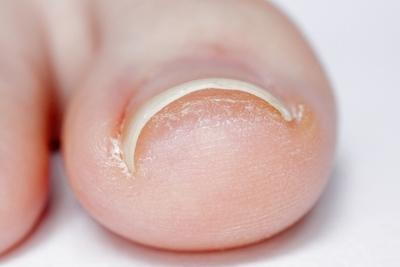
At Dr. John J. Hickey DPM, PLLC, in Levittown, NY, we treat patients who develop painful ingrown toenail problems that can quickly become infected if they do not receive proper care. An ingrown toenail develops when the edge of the nail grows into the surrounding skin instead of growing straight outward. Once that skin becomes irritated or broken, bacteria can enter the area and cause swelling, redness, drainage, and worsening pain. Early treatment matters because an infected ingrown toenail can interfere with walking, wearing shoes, and daily comfort.
Common Symptoms of an Infected Ingrown Toenail
An ingrown toenail often starts with tenderness along one side of the nail, but infection can make symptoms more severe. Patients may notice redness, swelling, throbbing pain, warmth, or pressure around the nail. In more advanced cases, the area may drain blood or pus, and the toe may become increasingly sensitive to touch.
Some patients also notice that the nail begins separating from the nail bed or that the skin around the nail looks inflamed and raised. These symptoms usually mean the body is reacting to both the nail irritation and the infection itself.
Why Ingrown Toenail Infections Happen
Several factors can increase the risk of an ingrown toenail. Cutting nails too short, rounding the corners, wearing tight shoes, and injuring the toe can all change the way the nail grows. Some patients also have naturally curved nails that make this condition more likely. Once the nail edge presses into the skin, repeated pressure from walking or shoes can worsen the injury and create an opening for infection.
Risks of Delaying Treatment
We encourage patients not to ignore an ingrown toenail that is getting worse. Infection can spread deeper into the surrounding tissue, increase pain, and make normal movement difficult. What begins as a minor nail problem can become a more serious foot issue if the area remains inflamed and untreated. Persistent infection may also make home care less effective and increase the need for in-office treatment.
Treatment Options We May Recommend
Treatment depends on how severe the ingrown toenail has become. In mild cases, soaking the toe, applying antibiotic cream, protecting the area with bandaging, and reducing shoe pressure may help. When infection or significant pain is present, we may trim away the ingrown portion of the nail, lift the nail away from the skin, or remove part or all of the nail to allow healthier growth. Our goal is to relieve pain, clear the infection, and reduce the chance of recurrence.
Get Relief From Ingrown Toenail Pain in Levittown, NY
If you have symptoms of an ingrown toenail infection, we are here to help. Dr. John J. Hickey DPM, PLLC, in Levittown, NY, provides professional care for painful nail conditions before they become more serious. Call (516) 735-4545 to schedule an appointment and get treatment for your ingrown toenail.
- posted: Mar. 19, 2026
At Dr. John J. Hickey DPM, PLLC, in Levittown, NY, we treat patients who develop painful ingrown toenail problems that can quickly become infected if they do not receive proper care. An ingrown toenail develops when the edge of the nail grows into the surrounding skin instead of growing straight outward. Once that skin becomes irritated or broken, bacteria can enter the area and cause swelling, redness, drainage, and worsening pain. Early treatment matters because an infected ingrown toenail can interfere with walking, wearing shoes, and daily comfort.
Common Symptoms of an Infected Ingrown Toenail
An ingrown toenail often starts with tenderness along one side of the nail, but infection can make symptoms more severe. Patients may notice redness, swelling, throbbing pain, warmth, or pressure around the nail. In more advanced cases, the area may drain blood or pus, and the toe may become increasingly sensitive to touch.
Some patients also notice that the nail begins separating from the nail bed or that the skin around the nail looks inflamed and raised. These symptoms usually mean the body is reacting to both the nail irritation and the infection itself.
Why Ingrown Toenail Infections Happen
Several factors can increase the risk of an ingrown toenail. Cutting nails too short, rounding the corners, wearing tight shoes, and injuring the toe can all change the way the nail grows. Some patients also have naturally curved nails that make this condition more likely. Once the nail edge presses into the skin, repeated pressure from walking or shoes can worsen the injury and create an opening for infection.
Risks of Delaying Treatment
We encourage patients not to ignore an ingrown toenail that is getting worse. Infection can spread deeper into the surrounding tissue, increase pain, and make normal movement difficult. What begins as a minor nail problem can become a more serious foot issue if the area remains inflamed and untreated. Persistent infection may also make home care less effective and increase the need for in-office treatment.
Treatment Options We May Recommend
Treatment depends on how severe the ingrown toenail has become. In mild cases, soaking the toe, applying antibiotic cream, protecting the area with bandaging, and reducing shoe pressure may help. When infection or significant pain is present, we may trim away the ingrown portion of the nail, lift the nail away from the skin, or remove part or all of the nail to allow healthier growth. Our goal is to relieve pain, clear the infection, and reduce the chance of recurrence.
Get Relief From Ingrown Toenail Pain in Levittown, NY
If you have symptoms of an ingrown toenail infection, we are here to help. Dr. John J. Hickey DPM, PLLC, in Levittown, NY, provides professional care for painful nail conditions before they become more serious. Call (516) 735-4545 to schedule an appointment and get treatment for your ingrown toenail.
Dr. John J. Hickey, DPM, PLLC
2870 Hempstead Tpke Ste 103,
Levittown, NY 11756
Office Hours
Monday
10:00 am - 4:45 pm
Tuesday
10:00 am - 4:45 pm
Wednesday
10:00 am - 4:45 pm
Thursday
10:00 am - 4:45 pm
Friday
Reserved for surgeries
Saturday
10:00 am - 1:00 pm
Call to Confirm, not open every Sat.
Sunday
Closed